
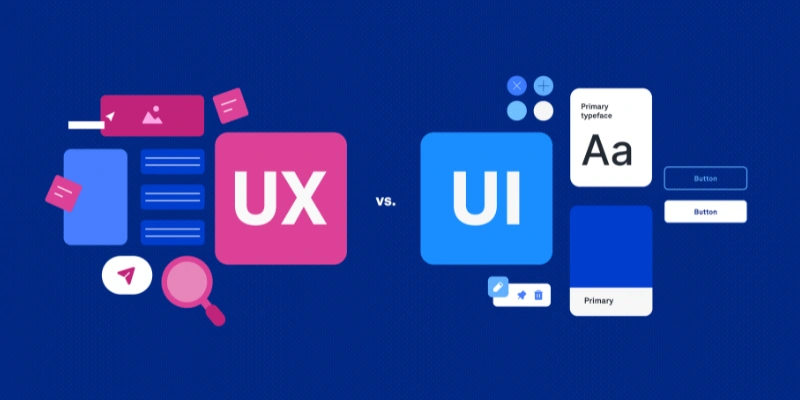
Designers who can transform ideas into interactive experiences stand out in the digital industry. Prototyping is no longer just an optional skill; it plays a crucial role in creating user-centered designs that function smoothly in real-world applications. Learning the Best UI/UX Prototyping Tools for Beginners and Professionals helps bridge creativity with practical execution. Many learners joining the UI UX Designer Course in Tirunelveli realize that successful design is not only about attractive visuals but also about usability, testing, and problem-solving. Mastering the right tools strengthens project confidence, improves collaboration, and significantly increases career growth opportunities.
Understanding the Role of Prototyping in Modern Design
Prototyping is more than creating screens; it is about testing ideas before development begins. A prototype allows designers to simulate user journeys, check usability, and refine interactions early. For beginners, it builds clarity about layout and flow. For professionals, it reduces costly mistakes during development.
Modern companies rely heavily on prototypes to validate ideas with stakeholders. Instead of explaining concepts verbally, designers can present clickable models that demonstrate how a product works. This practical approach strengthens communication between designers, developers, and clients.Prototyping also encourages experimentation. Designers can try multiple variations of a feature without affecting the final product. This flexibility leads to better decision-making and improved user experiences.
Why Choosing the Right Tool Matters
Selecting the right tool can influence how efficiently you work and collaborate. Beginners often need simple interfaces that reduce technical complexity. Professionals, on the other hand, look for advanced features such as design systems, animations, and team collaboration tools.
The right tool also depends on project requirements. A startup building a mobile app may prioritize speed and collaboration, while an enterprise project might require detailed interaction design and documentation. Understanding these needs helps designers choose tools wisely.Ease of learning is another important factor. Many aspiring designers enrolling in a focus on mastering tools that balance simplicity with powerful features, enabling them to build confidence quickly while still preparing for real-world projects.
Figma: Collaboration Made Simple
Figma has become a favorite among designers because of its cloud-based functionality. It enables multiple team members to collaborate on the same project simultaneously, which improves collaboration. Beginners appreciate its clean interface and intuitive controls.For professionals, Figma offers advanced components, auto layout features, and design system management. Its real-time collaboration makes it ideal for remote teams.Figma’s browser-based setup eliminates installation issues and supports cross-platform access. This flexibility makes it one of the most practical choices for both learning and professional environments.
Adobe XD: Structured and Powerful
Adobe XD is known for its structured workflow and integration with other Adobe tools. Designers who are already familiar with Photoshop or Illustrator often find it easier to transition into XD. Its interface supports wireframing, high-fidelity design, and interactive prototyping in one place.For beginners, the tool offers templates and simple drag-and-drop features. Professionals benefit from advanced animation controls and voice prototyping capabilities. It also supports team collaboration through shared libraries.Adobe XD is particularly useful when projects require strong branding elements, as it integrates seamlessly with other Adobe creative tools.
Sketch: A Classic for Interface Designers
Sketch has long been popular among interface designers, especially those working on macOS. It focuses primarily on UI design and provides strong vector editing capabilities. Beginners may find it slightly technical at first, but its organized layout helps build structured design habits.Professionals value Sketch for its plugin ecosystem, which significantly extends its functionality. From accessibility testing to design system management, plugins enhance productivity. Sketch also supports prototyping through built-in features and integrations.
InVision: Bringing Ideas to Life
InVision started as a prototyping tool and later expanded into a broader design collaboration platform. For beginners, this feedback system provides insight into real user reactions.Professionals appreciate its workflow integration and presentation features. It helps teams share prototypes with clients and stakeholders without requiring technical knowledge. The commenting feature ensures transparent communication.InVision is particularly useful when presenting design concepts during early project phases. It turns static designs into interactive experiences that clearly demonstrate user journeys.
Axure RP: Advanced Interaction Design
Axure RP is often chosen for complex projects that require detailed interaction design. It supports advanced features such as conditional logic, dynamic content, and data-driven prototypes. While beginners may find it challenging initially, it is extremely powerful for learning structured problem-solving.Professionals working on enterprise-level applications value Axure for its precision. It allows designers to simulate realistic user flows and thoroughly document functionality.In competitive markets, such as those targeted by learners completing a UI UX Design Course in Delhi at FITA Academy, mastering advanced tools like Axure can provide an edge by demonstrating technical depth and analytical thinking.
Marvel: Beginner-Friendly and Accessible
Marvel is designed with simplicity in mind. It allows users to create prototypes quickly without requiring deep technical knowledge. Beginners can upload designs and convert them into interactive prototypes within minutes.Professionals may use Marvel for quick demonstrations or rapid testing sessions. It is particularly useful in educational settings where learners are introduced to prototyping concepts for the first time.Its straightforward interface encourages experimentation without overwhelming users. This makes Marvel an excellent starting point for those transitioning from basic design theory to practical application.
Balsamiq: Focused on Wireframing
Balsamiq stands out for its emphasis on low-fidelity wireframing. Instead of focusing on visual polish, it helps designers concentrate on structure and layout. Beginners benefit from this approach because it teaches them to prioritize usability over aesthetics.Professionals use Balsamiq during early brainstorming sessions. By keeping designs simple, teams can discuss ideas without getting distracted by colors or detailed styling.This tool encourages quick iteration and idea validation. Once the structure is finalized, designers can move to more advanced tools for high-fidelity prototypes.
Framer: Interactive and Modern
Framer is gaining popularity for its interactive design capabilities. It allows designers to create smooth animations and dynamic prototypes. Beginners who are comfortable experimenting with interactions may find it exciting, though it has a slightly steeper learning curve.Professionals appreciate Framer’s ability to produce highly realistic prototypes that closely resemble final products. This realism helps developers understand interactions more clearly.Framer bridges the gap between design and development by allowing advanced customization. It is particularly suitable for projects that demand engaging user experiences with micro-interactions and transitions.
Building Skills Alongside Tools
While tools are important, understanding design principles is equally essential. Prototyping should always align with user research, accessibility standards, and usability testing. Beginners should focus on learning why certain layouts work better than others. Professionals should refine their ability to justify design decisions.Hands-on practice builds confidence. Working on small projects, redesigning existing apps, and participating in collaborative assignments can strengthen both technical and creative skills.Continuous learning ensures long-term growth. As technology evolves, designers must stay up to date with new features and trends in prototyping software.
Choosing Based on Career Goals
Not every designer needs to master every tool. Career goals often determine the best choice. Those aiming for startup environments may prioritize collaborative platforms like Figma. Designers interested in enterprise roles might focus on tools offering advanced documentation and logic features.Freelancers may prefer versatile tools that support client presentations and quick revisions. Understanding job market trends helps in making informed decisions about which software to invest time in learning.Ultimately, versatility and adaptability are key traits that employers value. Knowing multiple tools increases flexibility and broadens career opportunities.
Mastering the Best UI UX Prototyping Tools for Beginners and Professionals can significantly shape a designer’s career path. Whether you are just starting or aiming to advance into specialized roles, choosing tools aligned with your goals is essential. Many aspiring designers look to structured programs like a UI UX Design Course in Kolkata to strengthen their practical expertise and stay future-ready. By combining strong fundamentals with hands-on experience in modern prototyping platforms, you can confidently build user-centered products and create lasting impact in the design industry.
Also check : Top 5 Tips To Improve UI Design for Mobile Apps